
Balance Stomper
A research-led rehabilitation project that narrowed a broad clinical challenge into a focused interaction direction for children with cerebral palsy.
In collaboration with Adelante Rehabilitation Centre
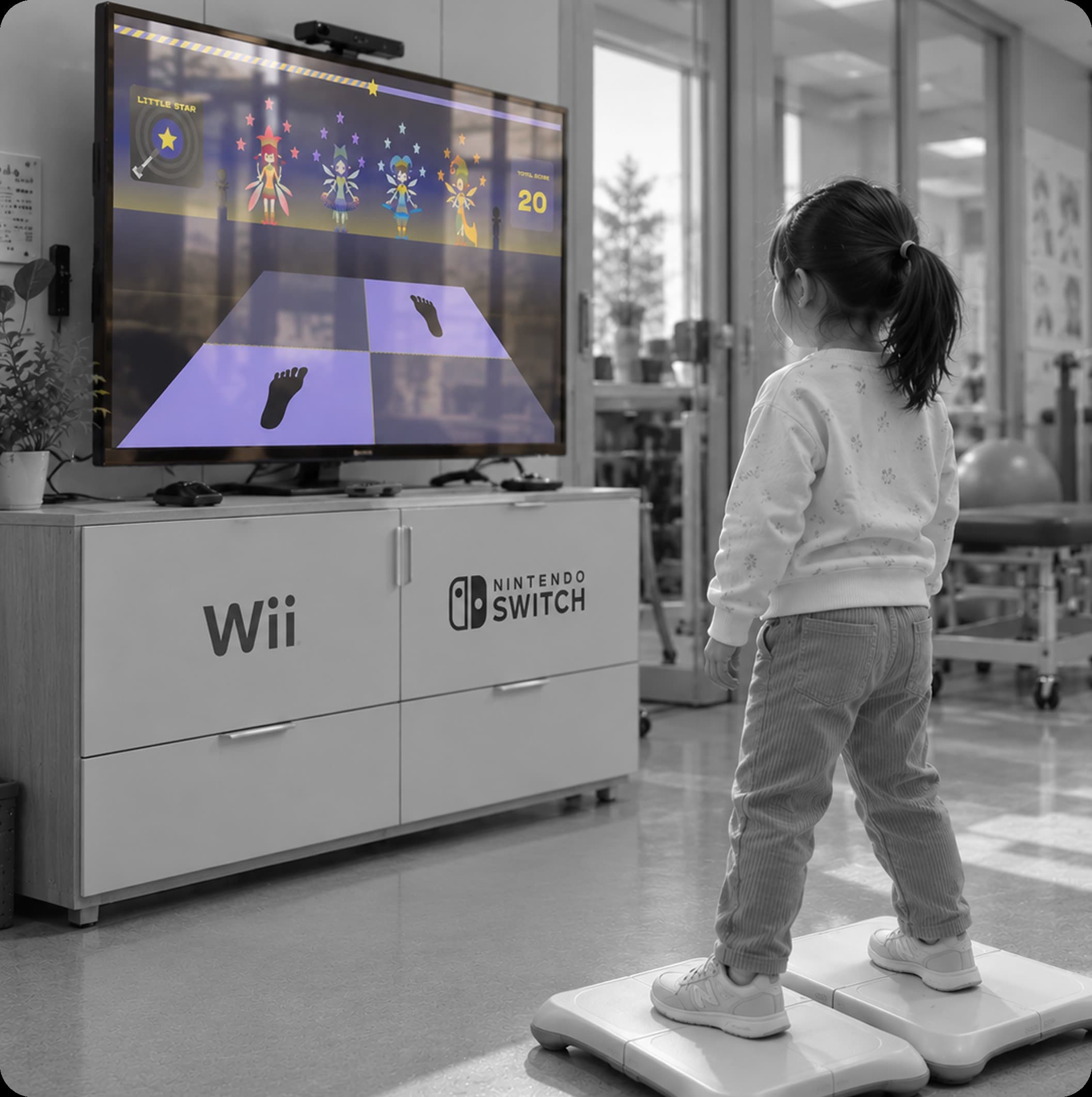
Overview
How might we make repetitive balance training engaging, measurable, and clinically meaningful?
Background
Developed with Adelante Rehabilitation Centre, this project explored how physical interaction could support mobility rehabilitation for children with cerebral palsy.
Challenge
Translate clinically meaningful balance training into a playful experience that encourages repetition without compromising therapeutic intent.
Constraints
We worked in a healthcare context with limited direct access to child users, wide variation in mobility abilities, and strong requirements around safety, supervision, and clinical relevance.
My role & task
Turning research into interaction strategy
Research
Led the research to define the target group, training focus, and interaction direction through therapist interviews, user testing, and research synthesis.
Interaction Strategy
Defined how therapeutic movements could translate into gameplay, feedback, and adaptive interaction.
Research
Background - Why mobility?


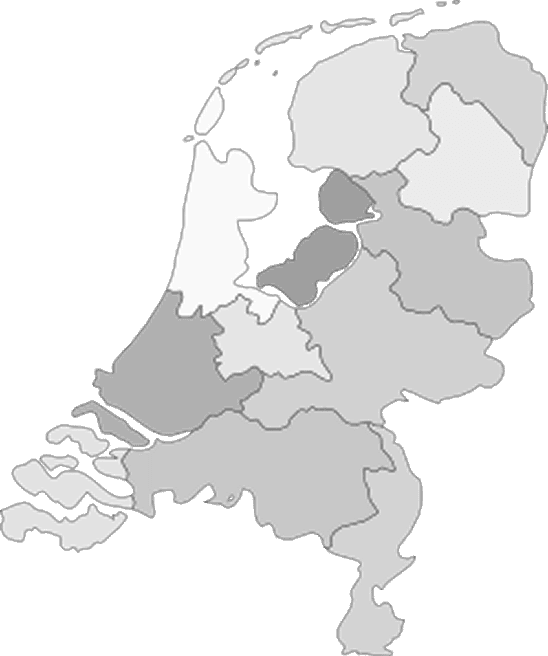
350 - 400
children are born with cerebral palsy in the Netherlands each year.
50%
of children receiving pediatric rehabilitation care in the Netherlands have cerebral palsy.
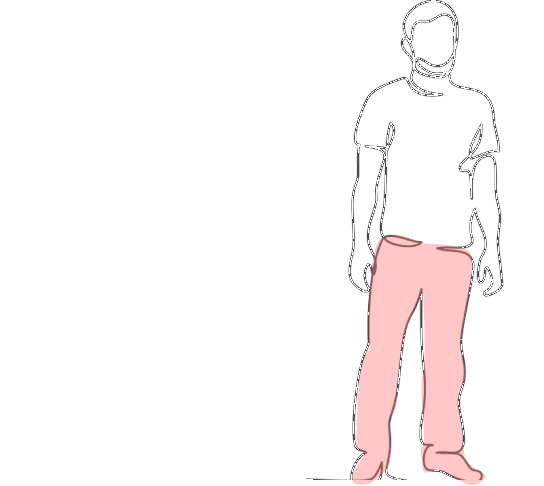
Lower-limb impairment is common
Motor impairments frequently affect the lower limbs, influencing standing and walking.
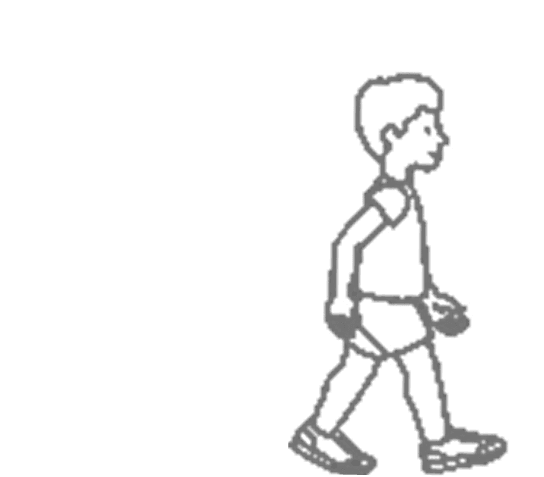
41%
of children with cerebral palsy experience limitations in crawling, walking, or running.
Mobility emerged as a meaningful starting point for intervention.
Who should we design for?

Children with cerebral palsy
- Experience the training
- Perform guided balance and mobility exercises

Therapists
- Define rehabilitation goals
- Adjust training difficulty
- Supervise movement quality
- Evaluate progress
Adelante
- Provides the rehabilitation setting
- Connects us with domain expertise
- Frames the project around real clinical practice
What did we learn from therapists?
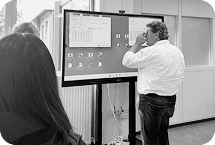
Early interview with Adelante therapists helped us understand the current rehabilitation process, its limitations, and the needs of both therapists and children.
Mobility is a key rehabilitation focus.
Training is repetitive and can feel boring over time.
Children's abilities vary widely, so difficulty needs to adapt.
“Children with cerebral palsy” was still too broad as target group.
Target User Scoping
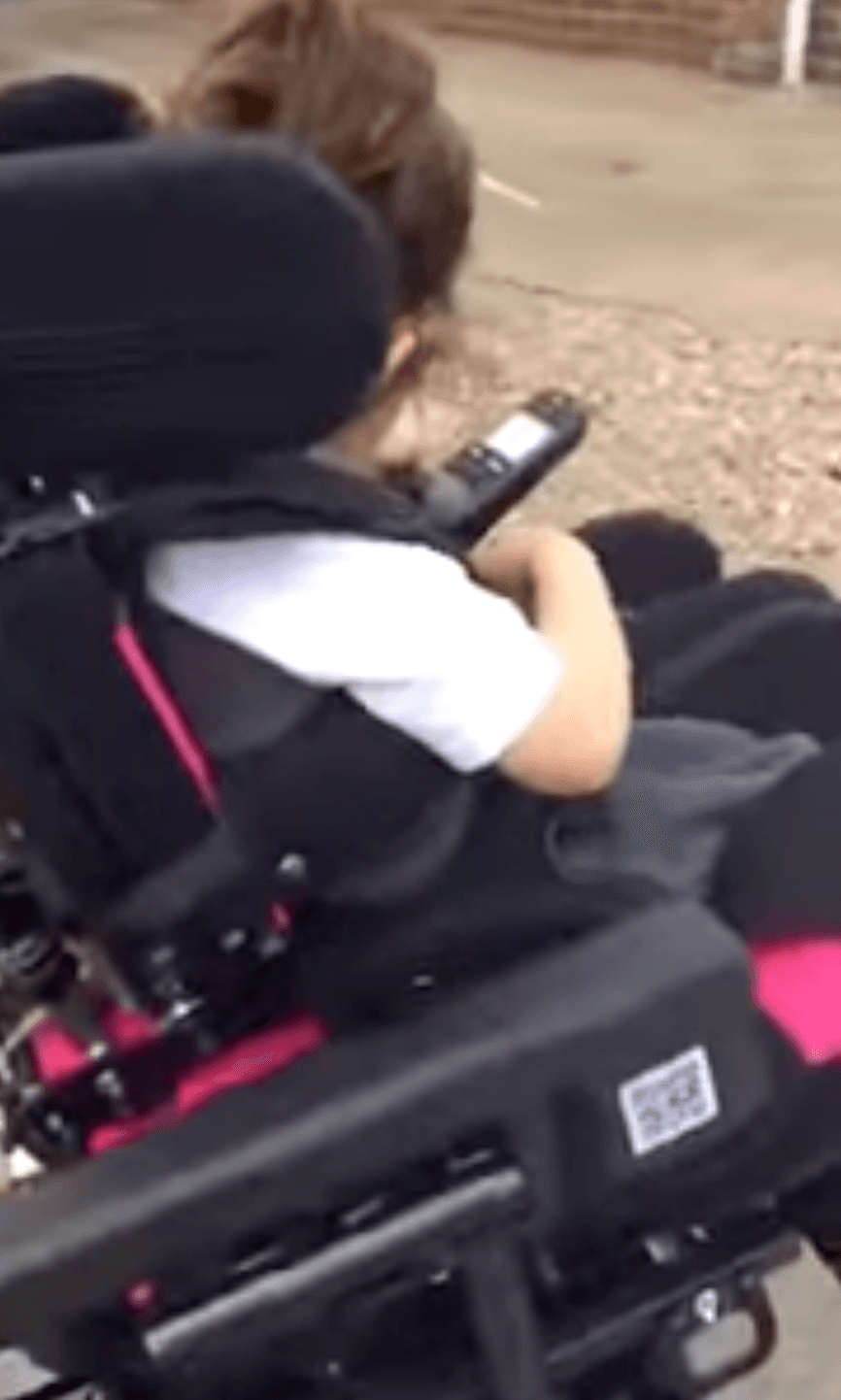
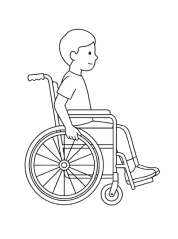
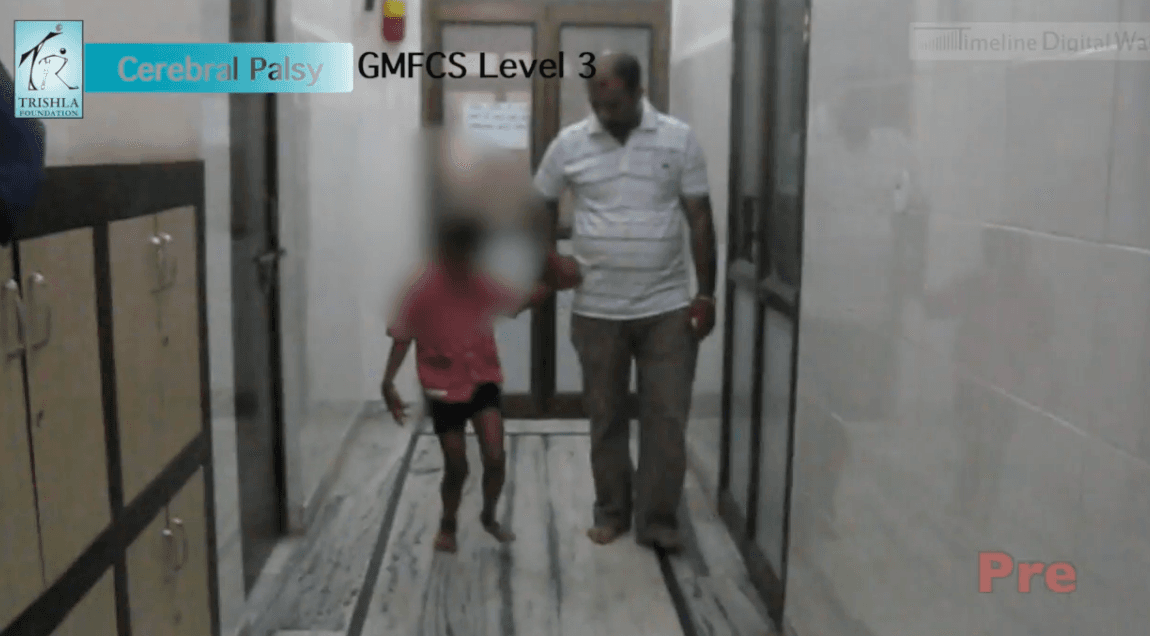
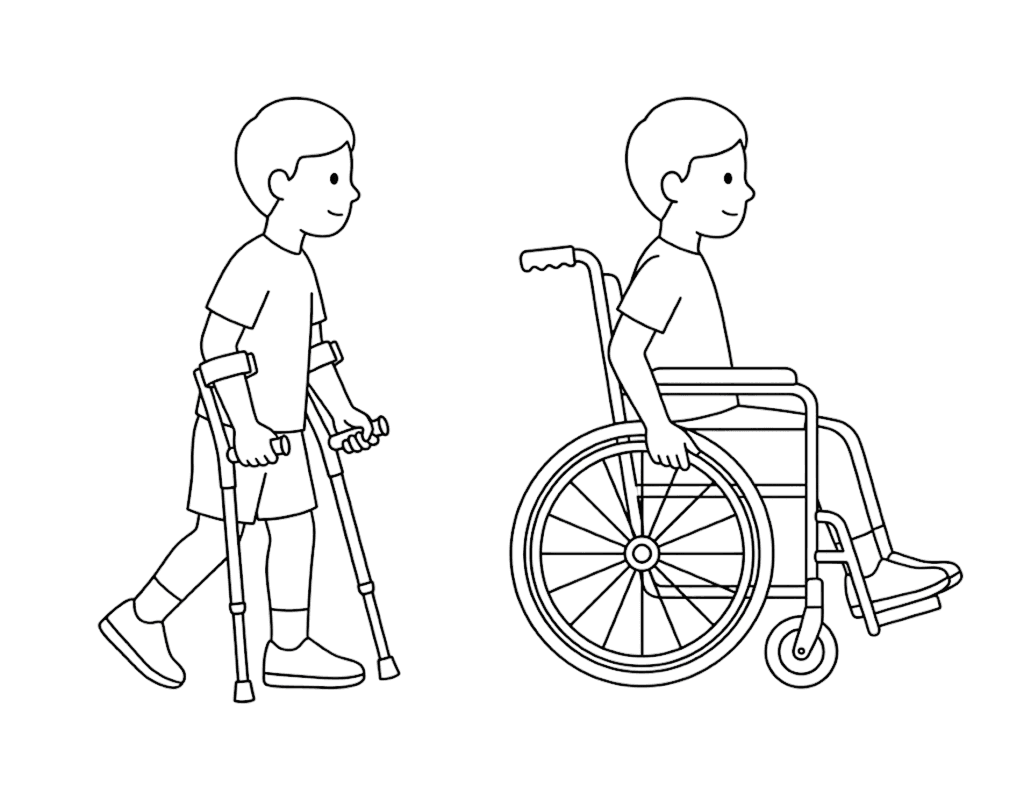
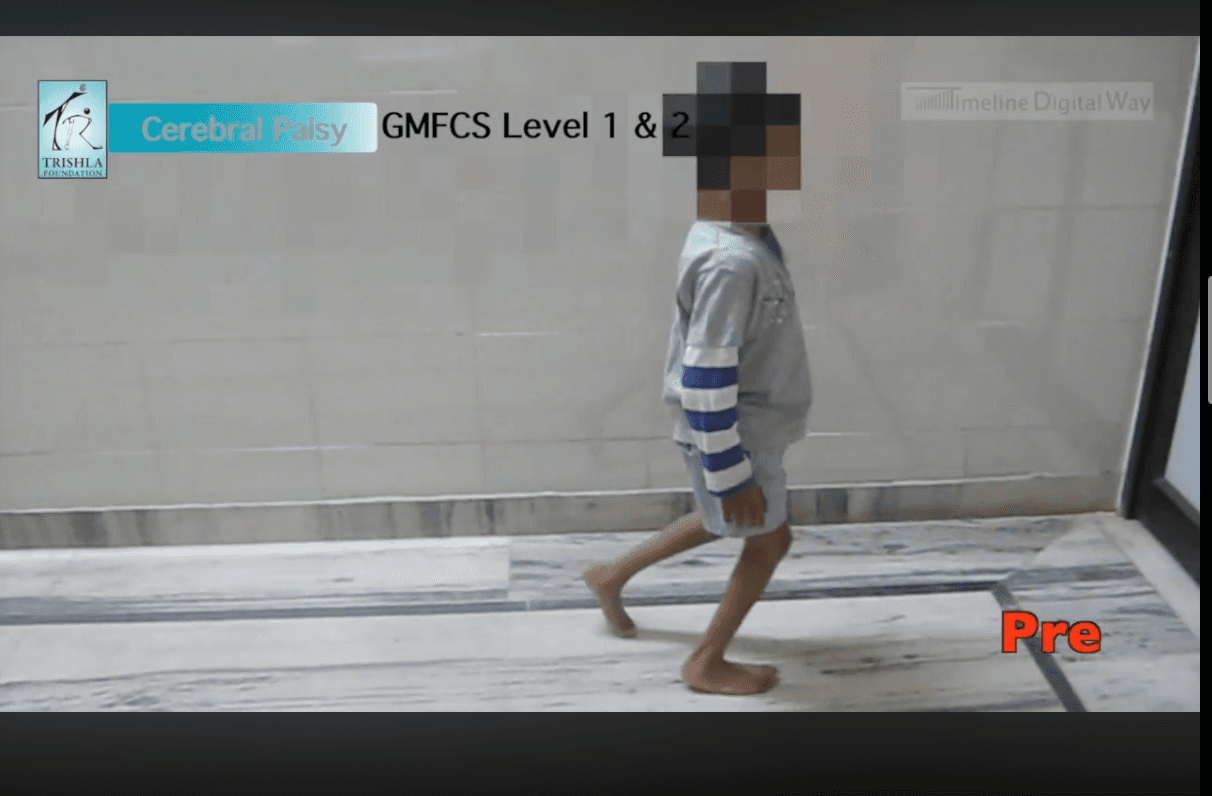
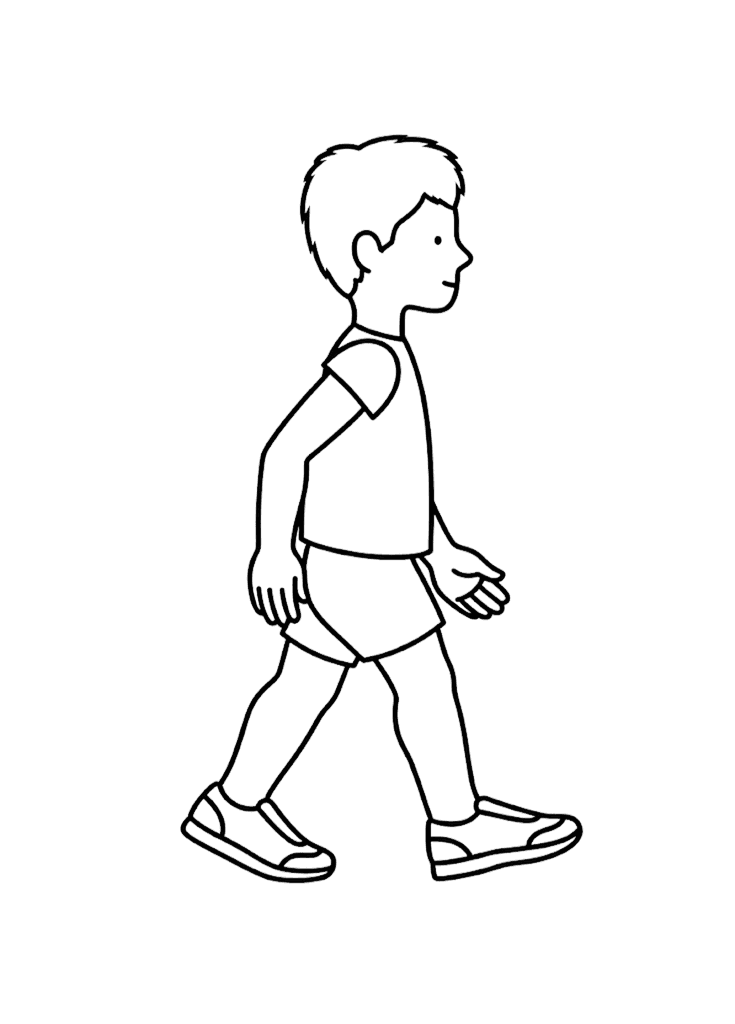
GMFCS is a five-level classification system describing gross motor function in children with cerebral palsy. We used it to compare mobility profiles and narrow the target group for physical balance training.

Walking Dependency
Training opportunity
Physical feasibility
High
Variable
Low
Medium
High
High
Low
Medium
High
*Synthesized from literature and therapist input for this project scope.
Why I suggested Level III
Research showed a useful overlap at Level III: children still faced meaningful balance challenges, while retaining enough mobility to actively engage in weight-shifting and stepping exercises.
Based on this, I suggested Level III as our starting scope: balancing rehabilitation need, training potential, and interaction feasibility.
From functional potential to training focus
Understanding the functional potential of Level III
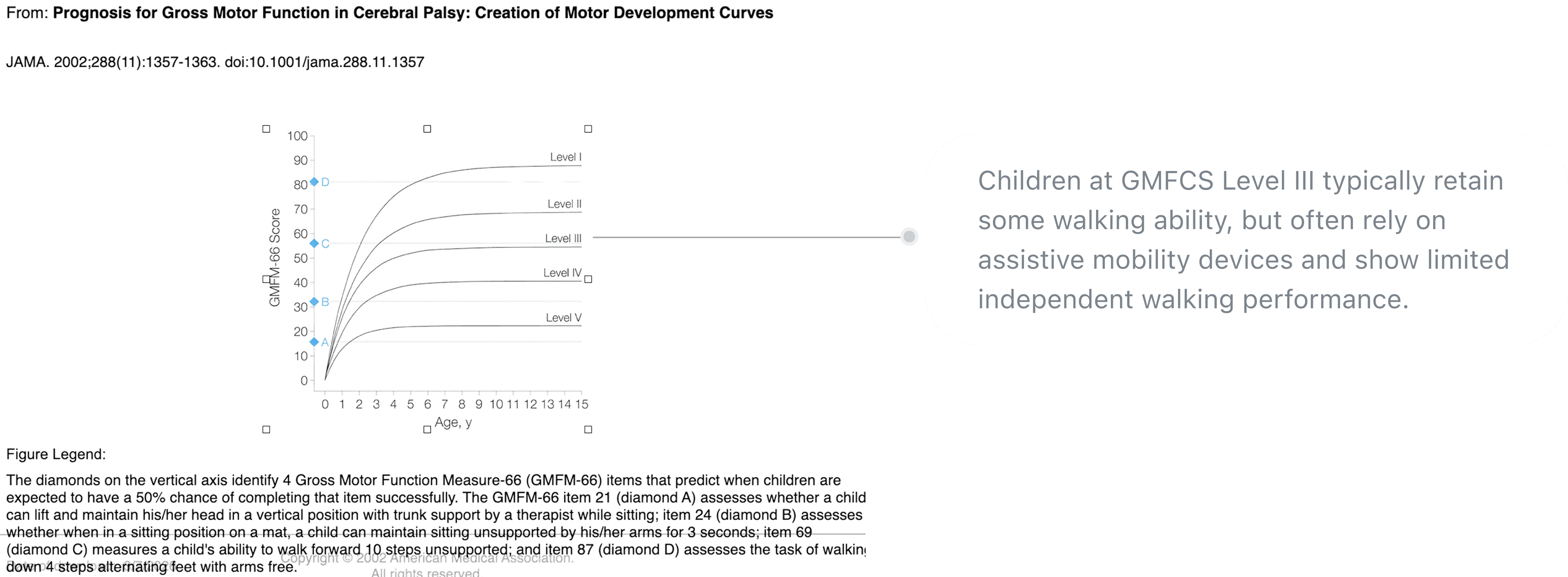
Literature indicated that walking performance depends on balance control and the ability to shift body weight during movement.
Therapists reinforced this by identifying weight shifting and controlled stepping as recurring training needs.
This led us to focus on dynamic balance through repeated stepping and weight shifting.
Design Strategy
Research led us to focus on dynamic balance for GMFCS Level III children. Our goal was to turn repeated stepping and weight shifting into an engaging, measurable, and clinically meaningful training experience.
01
Playable Movement
Turn stepping and weight shifting into the game controls, so the rehabilitation movement itself becomes the interaction.
02
Measurable Training
Use the hardware to capture movement during play, making performance visible and reviewable for therapists.
03
Engaging Repetition
Use immediate feedback, simple game mechanics, and rewards to make repeated practice feel more motivating.
Choosing the interaction hardware
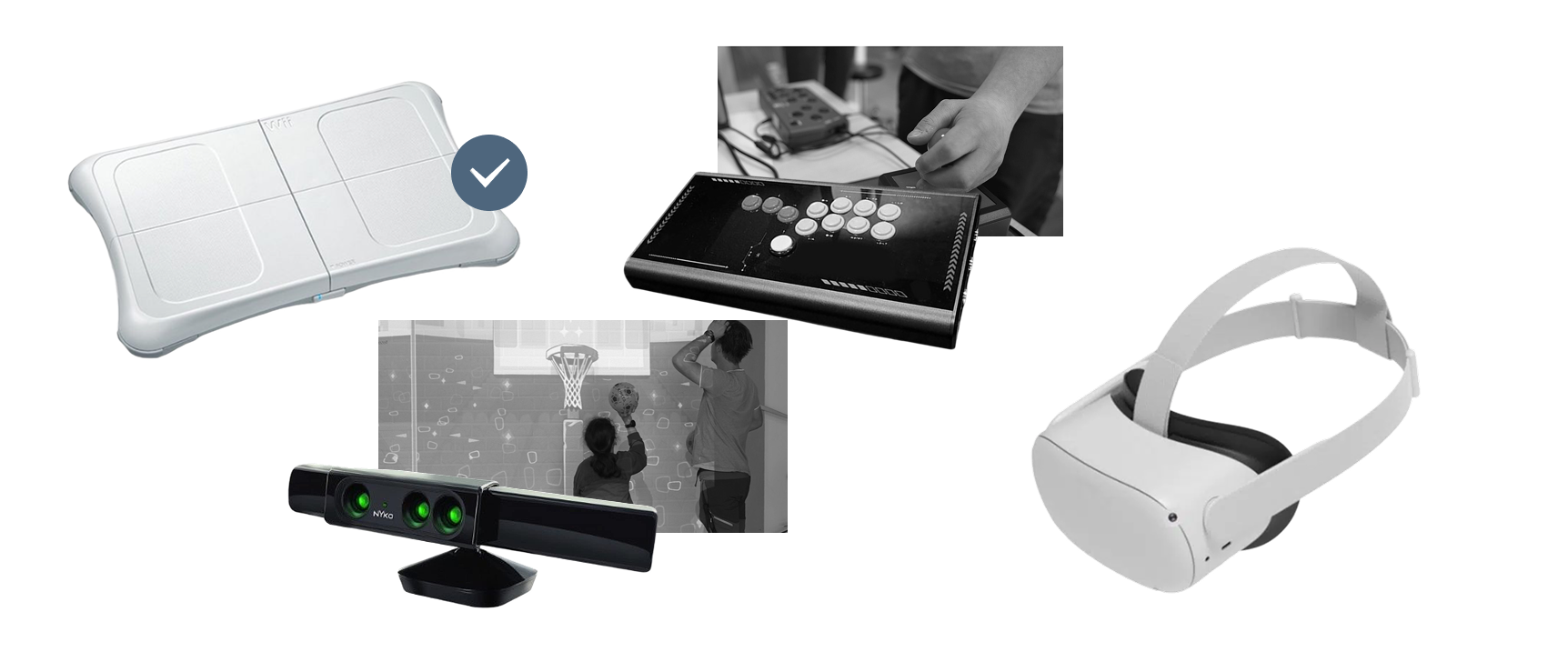
I benchmarked several hardware options and evaluated their capabilities against the training needs. Together with the client, we selected the Wii Balance Board as the best fit for the concept.
Translating training into gameplay
The design had to balance two needs: keeping movements clinically meaningful and repeatable, while using immediate feedback, playful tasks, and rewards to make practice feel less repetitive.
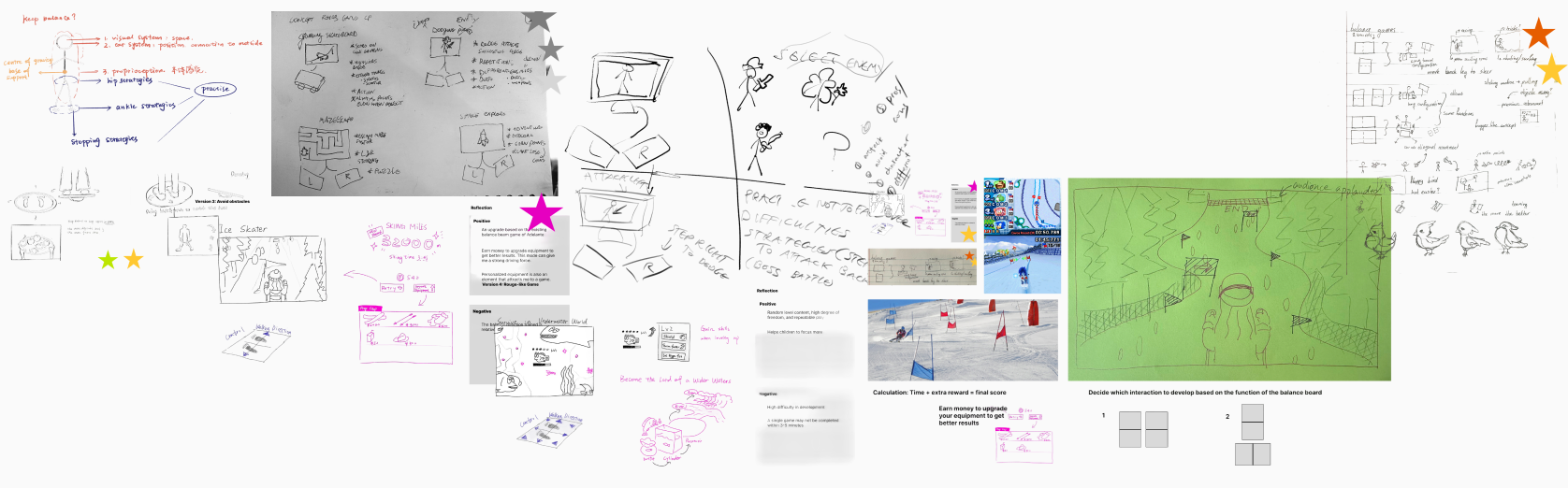
Ideated with team
Testing & iteration
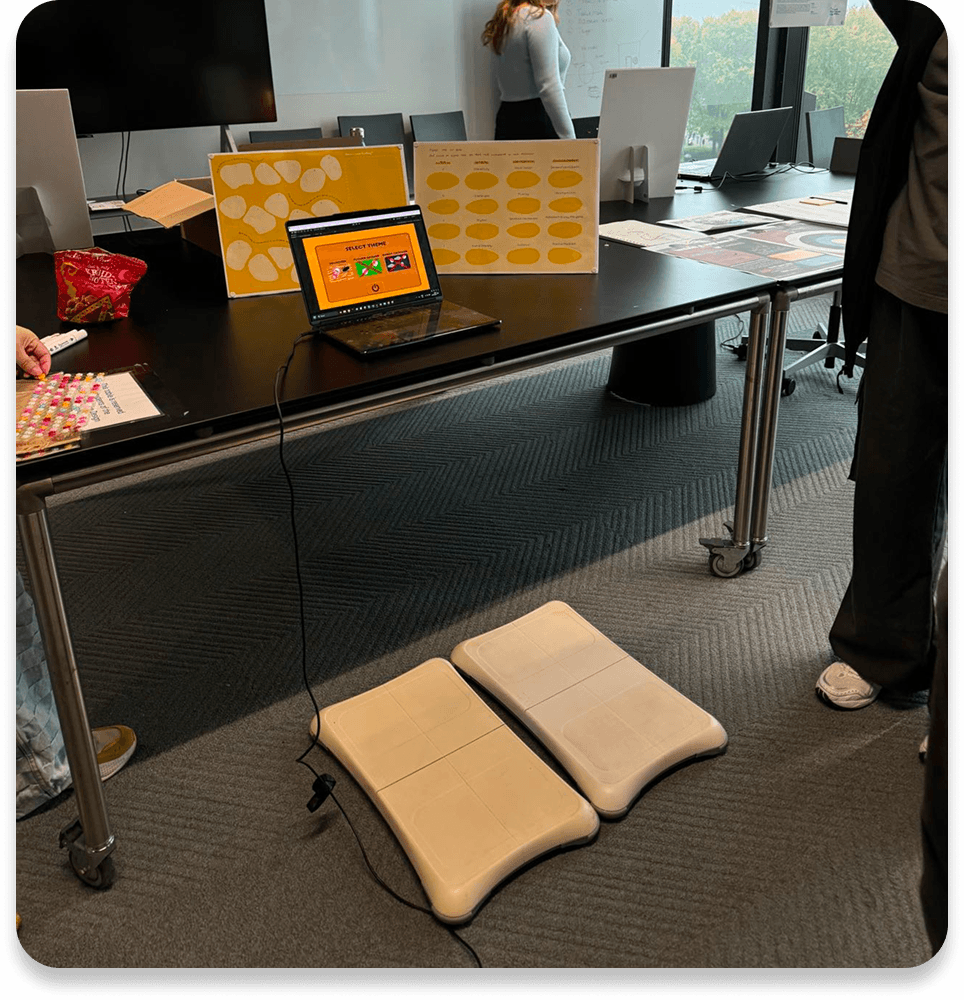
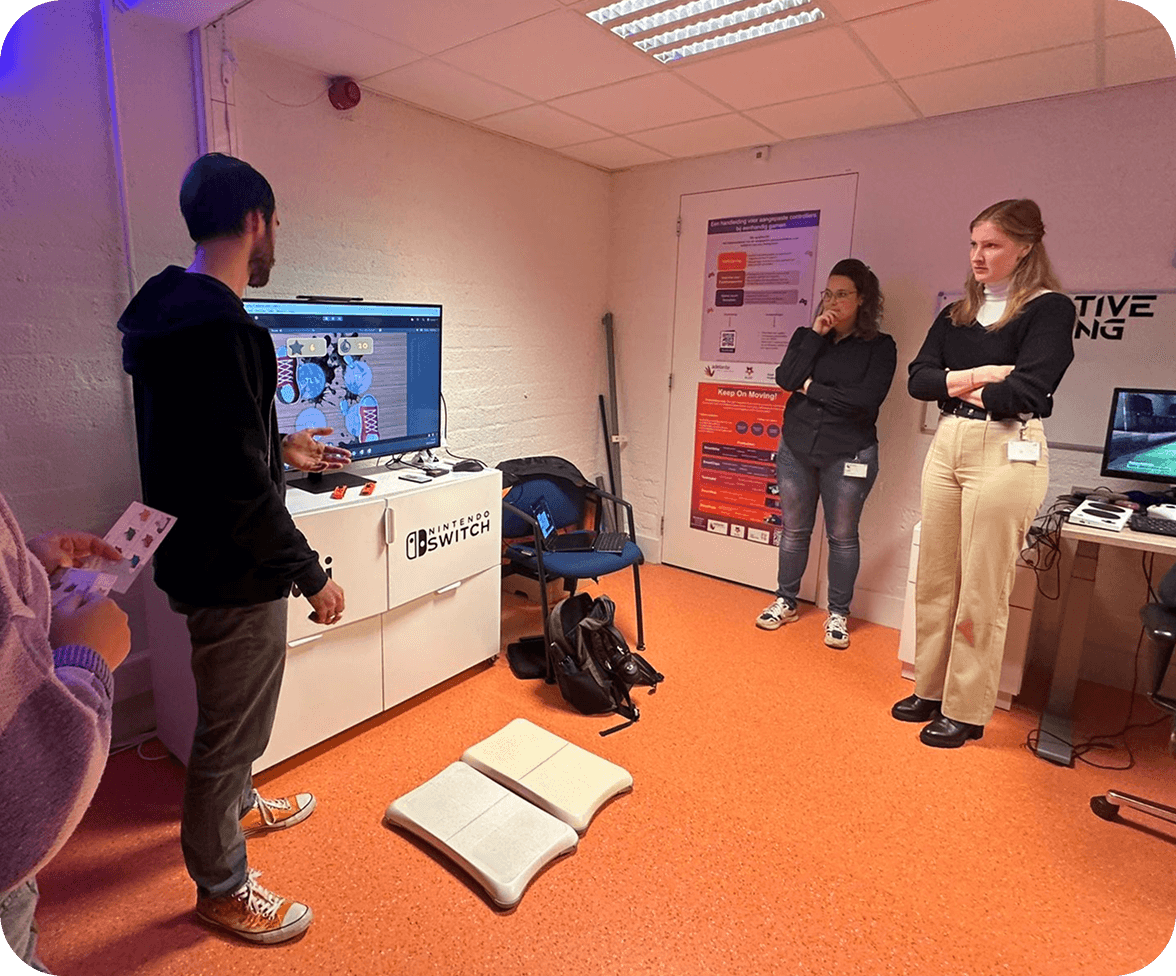
Internal deployment: Ability varied more than expected
Client review: Playfulness needed clinical relevance
Testing at Atlante: Therapists needed interpretable progress
Introduced more adaptable difficulty and physical support.
Refined the game theme and reward direction for appropriateness.
Strengthened session feedback and measurable outputs.
Prototype Exploration
Balance Stomper
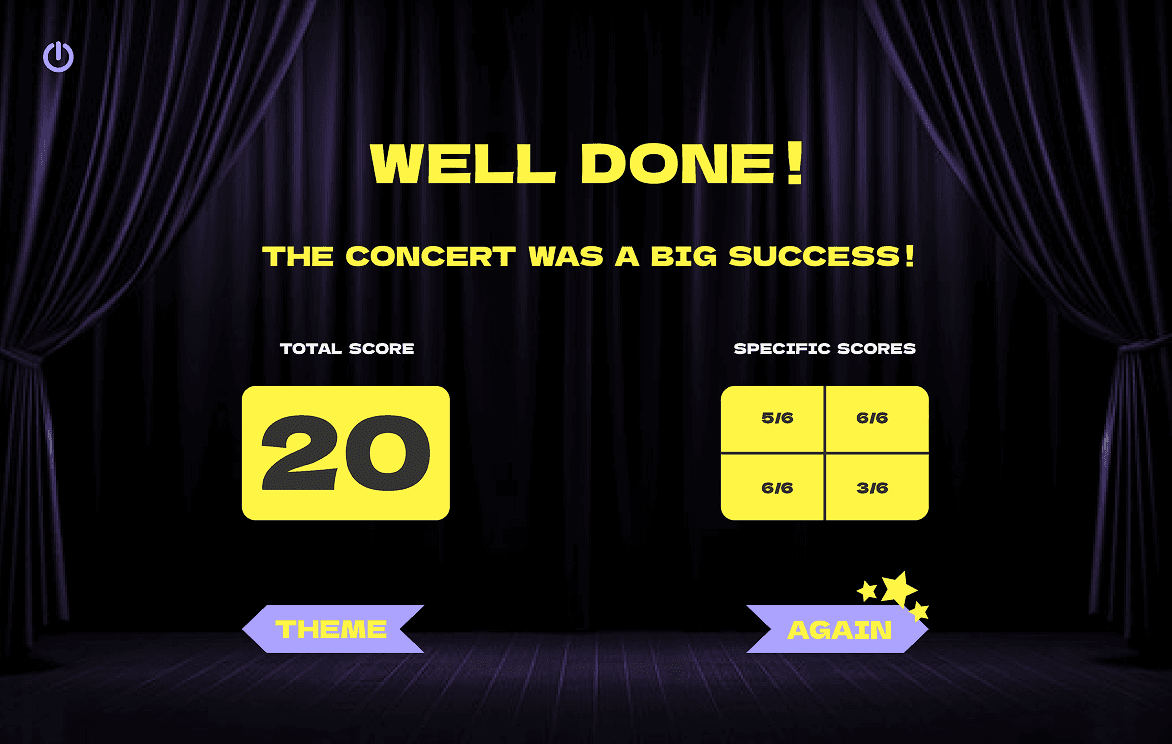
We translated the research direction into a playable prototype to explore how stepping, weight shifting, and simple feedback could work in practice.
Playful repetition
- Translate balance exercises into two simple mini-games.
- Use feedback and rewards to sustain engagement.
Movement & feedback
- Turn stepping and weight shifting into game input.
- Capture basic session performance during play.
Research Outcome
What the research clarified
Clearer target group
GMFCS Level III became the working scope for the concept.
Specific training focus
Dynamic balance, stepping, and weight shifting became the core interaction focus.
A testable direction
Research was translated into a playable prototype for further evaluation with therapists and children.
Reflection
This project taught me that research is not only for validating solutions, but for defining what is worth designing in the first place. The prototype helped us explore that direction, but remained an early concept with limited child testing and basic feedback. I therefore chose to focus this case on the research decisions and design rationale behind the concept, rather than presenting the prototype as a finished solution.